
1. Singing with a Prayerful Pitch:
We sing as congregations preparing
- to sing ceaseless praises with the choirs above, unto the Father, and unto the Son, and unto the Holy Ghost, which are one God, in a state of happiness which hath no end.
Coming to Ourselves: The Sacrament, the Temple, and Sacrifice in Service – general-conference
-
As we sing the sacrament hymn, participate in the sacrament prayers, and partake of the emblems of His flesh and blood, we prayerfully seek forgiveness for our sins and shortcomings. We think about the promises we made and kept during the previous week and make specific personal commitments to follow the Savior during the coming week.
2. Singing with Emotional Pitch:
Sound sad when singing a sad phrase. Joyous when singing a joyous song. Sing the punctuation.
Directing a joyous song look joyous. Thoughtful, thoughtful. Resolute, resolute.
3. Singing with Vocal Pitch:
Sing the punctuation. Everyone can pause at the commas and periods. Sound questioning at questions, even those not ending with a question mark. Punch the exclamation points.
Anticipate the melody. Let your voice box prepare to start the next word on the melody. What the Priesthood does without a piano.
I noticed, the more people who sing the closer the right pitch, people singing flat canceling out the sharp.
Ward choirs are not formed by auditioning all the Ward members, it’s who volunteered.
Each Ward had a unique combined sound based on the members.
4. Finding your notes of the melody in LDS Hymns.
Everyone can improve their vocal pitch.
We have all listened to someone tune a stringed instrument, violin or guitar. Making a string tighter or looser until it vibrates close enough to sound right to them. Everyone has a different ability to judge that sound.
Few have watched a singer tune their vocal instrument. Even fewer have had someone help them tune their vocal vibrations. Problem is that every vocal sound needs to be adjusted, all the time.
Intro to the Music Player:
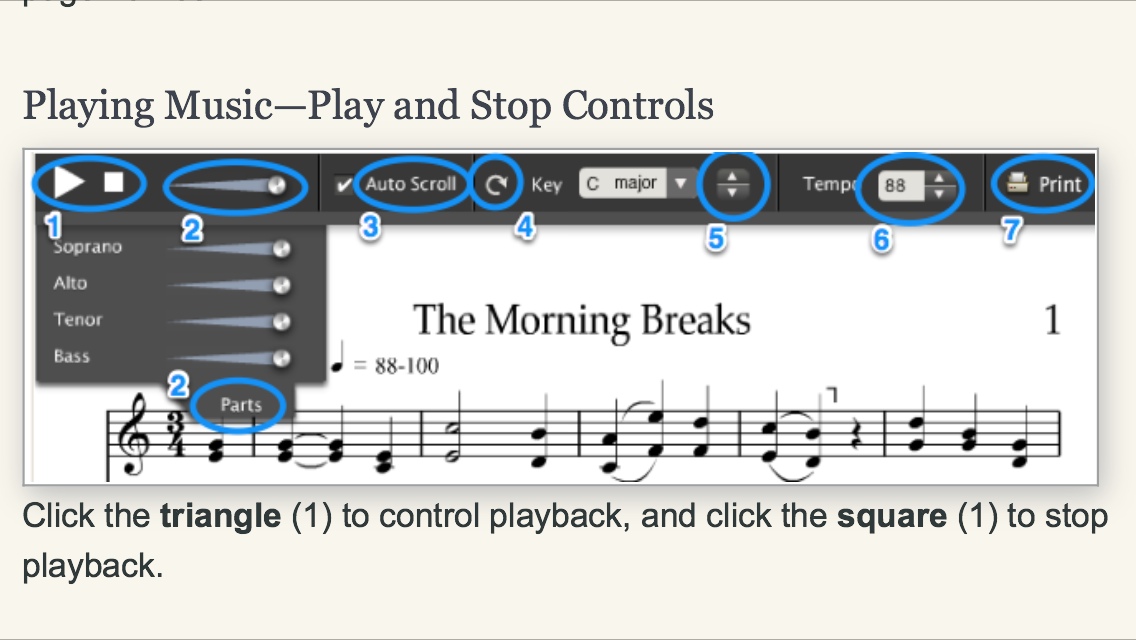
Once you have selected a song and it is displayed, you can choose to listen to one or more of the singing parts, speed up or slow down the tempo, or change to a higher or lower key.
Parts
Click on the Parts tab to see which vocal and accompaniment parts are available for adjustment. Move the slider bar to change the volume for each part. Click the Parts tab again to have the form scroll back up.
5. Practicing with software or someone with perfect-pitch:
Personally, I use software.
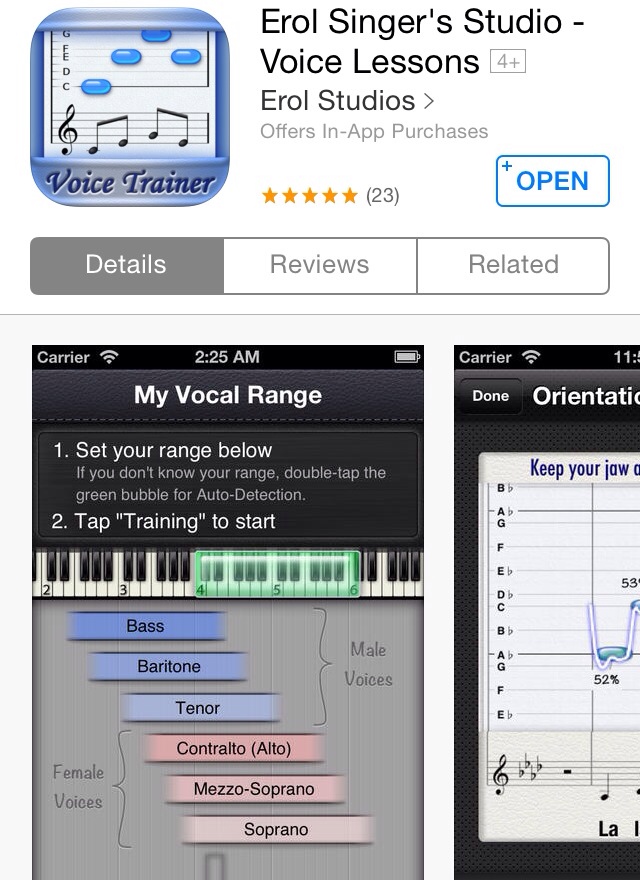
My top music folder, for Singing:
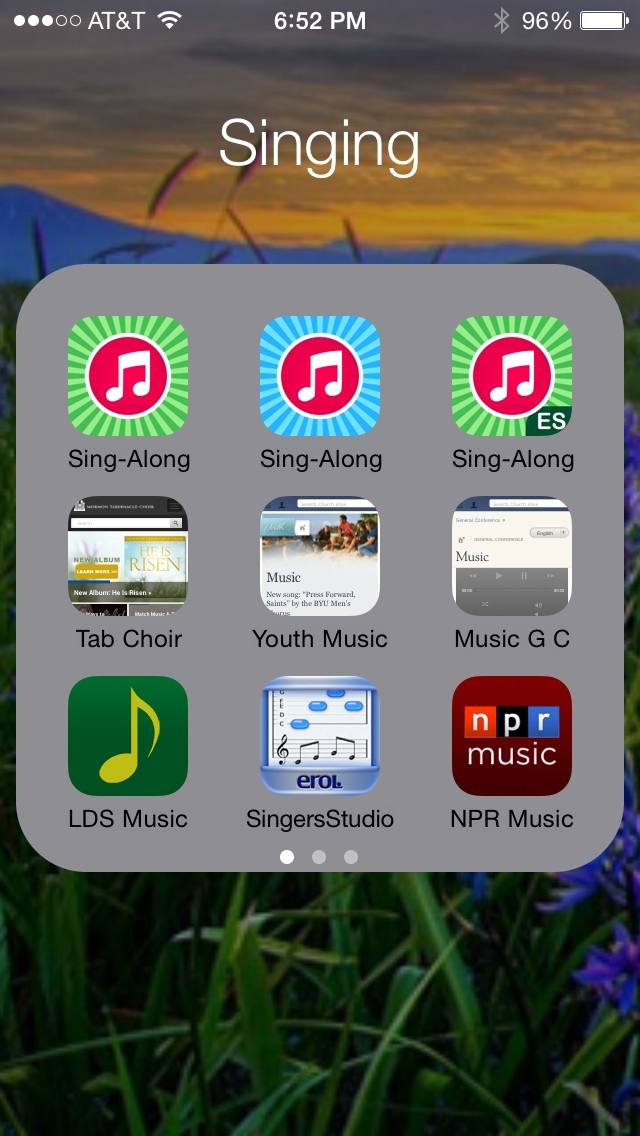
My Add to Home Screen (second row):
https://www.lds.org/youth/music?lang=eng
https://www.lds.org/general-conference/music
http://www.mormontabernaclechoir.org/?lang=eng
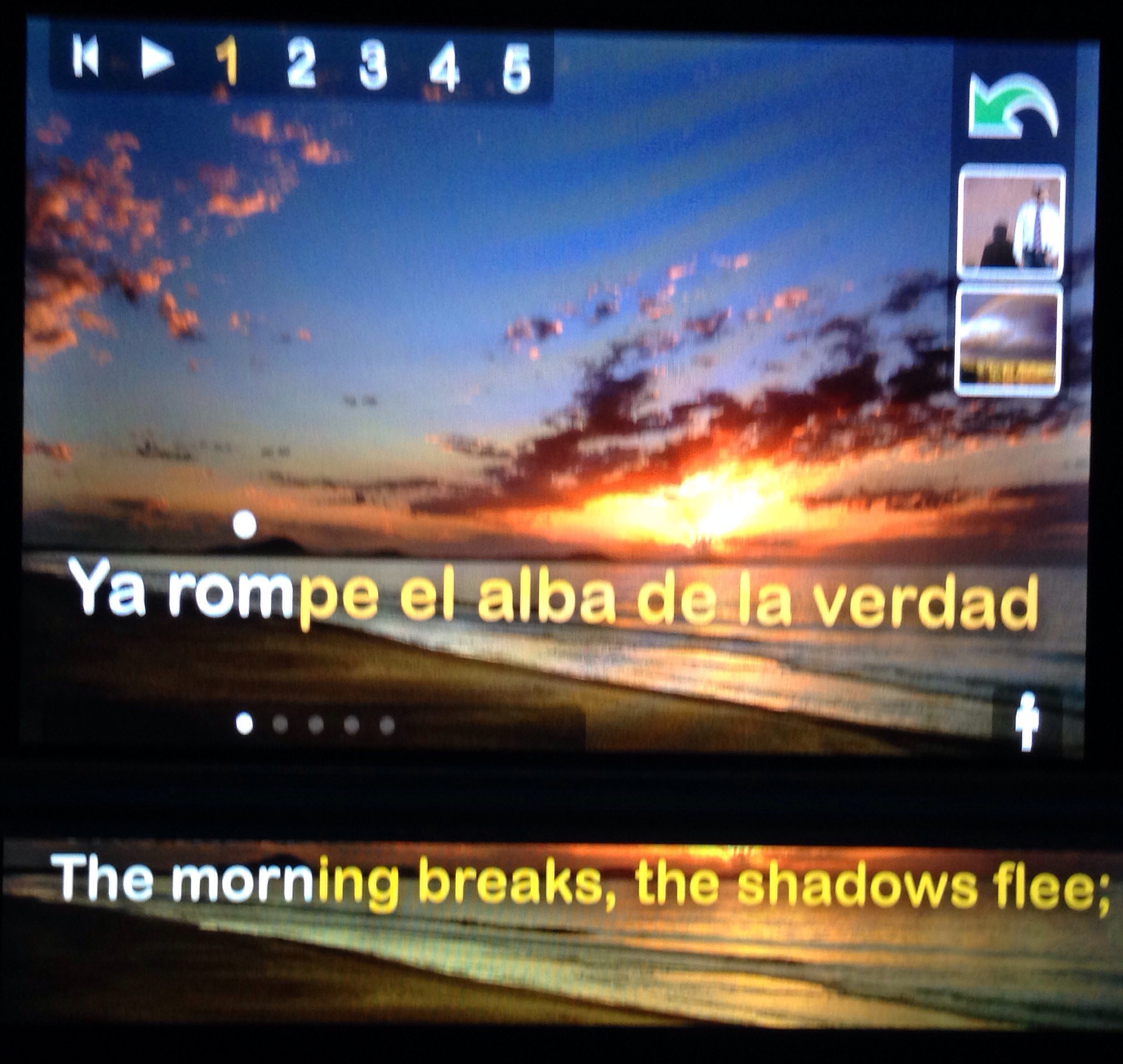
6. Using LDS Hymns to learn Spanish:
Using two iPhones
7. Making time to sing:
I like to sing while doing chores and driving. My favorite is Leann Rimes, Lady & Gentlemen, 16 Tons.
Top Thing People Do While Driving? Car-aoke
- According to a study by DMEautomotive, singing out loud was the top non-driving activity people do in the car — something at least 56 percent of motorists admit to engaging in while behind the wheel. Women are more likely to sing then men: 65 percent to 49 percent, and people under 35 are more likely to rock out (61 percent) than those 35 and over (54 percent).